
low purine diet pdf
Navigating a low purine diet can feel complex, but understanding its core principles is key to managing uric acid levels and improving overall health.
Numerous resources, including low purine diet PDFs, offer detailed guidance on food choices and meal planning to support this dietary approach.
Effective management of elevated uric acid relies on strategic dietary adjustments, emphasizing hydration, plant-based foods, and mindful protein consumption.
What is a Low Purine Diet?
A low purine diet is a dietary plan designed to limit the intake of purines, naturally occurring substances found in certain foods. These substances break down into uric acid within the body. Low purine diet PDFs frequently detail how restricting purines can help manage conditions like gout and hyperuricemia – a state of having high uric acid levels in the blood.
The core principle revolves around choosing foods with minimal purine content. This isn’t necessarily a restrictive, long-term lifestyle for everyone, but rather a targeted approach to reduce uric acid production. Many downloadable guides categorize foods based on their purine levels, making meal planning easier.
Understanding the diet’s nuances, often explained in comprehensive low purine diet PDFs, is crucial. It’s about making informed food choices, not complete deprivation. The goal is to maintain healthy uric acid levels, preventing painful gout flare-ups and potential kidney issues.
Why Follow a Low Purine Diet?
The primary reason to adopt a low purine diet is to manage conditions exacerbated by high uric acid levels, most notably gout. Gout causes intensely painful inflammation in the joints, and a low purine diet PDF will emphasize dietary changes as a key management strategy.
Elevated uric acid can also contribute to kidney problems, including kidney stones and, over time, kidney disease. Comprehensive guides, often available as low purine diet PDFs, explain how reducing purine intake can lessen the burden on the kidneys.
Furthermore, even without a formal diagnosis, individuals with a family history of gout or hyperuricemia may benefit from a preventative approach. Resources like downloadable PDFs provide practical tools for making informed food choices and proactively supporting overall health and well-being through dietary adjustments.
Understanding Purines
Delving into purines is crucial for success with a low-purine diet; low purine diet PDFs detail these compounds, their sources, and impact on uric acid production.
What are Purines and Where are They Found?
Purines are naturally occurring substances found in all of our body’s cells and in virtually all foods. They are a normal part of normal human life and are essential for building DNA and RNA. However, when the body breaks down purines, uric acid is created.
Foods vary significantly in their purine content. High-purine foods, which should be limited on a low-purine diet, include red meat, organ meats (like liver and kidney), certain types of seafood (anchovies, sardines, mussels), and some vegetables (asparagus, spinach, mushrooms).
Low purine diet PDFs often provide comprehensive lists categorizing foods based on their purine levels, making meal planning easier. Moderate amounts are found in poultry, beans, and other vegetables. Understanding these sources, as detailed in these guides, is the first step towards managing uric acid levels effectively.
The body also produces purines, so dietary intake isn’t the sole factor, but controlling it through informed food choices is vital.
How Purines Affect Uric Acid Levels
When purines are metabolized, they break down into uric acid. Normally, uric acid dissolves in the blood and is excreted by the kidneys in urine. However, if the body produces too much uric acid or the kidneys don’t eliminate enough, uric acid levels can build up – a condition known as hyperuricemia.
Elevated uric acid can lead to the formation of urate crystals, which deposit in joints, causing gout – a painful form of arthritis. It can also contribute to kidney stones and, over time, kidney disease.
A low-purine diet, as outlined in many low purine diet PDFs, aims to reduce the intake of purine-rich foods, thereby lowering uric acid production. This dietary approach doesn’t eliminate uric acid entirely, but helps manage its levels.
Effective management often involves combining dietary changes with adequate hydration and, in some cases, medication, as detailed in comprehensive guides.

Foods to Avoid on a Low Purine Diet
Low purine diet PDFs consistently highlight red meat, organ meats, and certain seafood as primary culprits to limit or avoid due to their high purine content.
High-Purine Foods: Red Meat & Organ Meats
As detailed in many low purine diet PDFs, red meat – including beef, lamb, and pork – contains substantial levels of purines, necessitating careful consideration or avoidance. The concentration of purines varies within different cuts; generally, the more flavorful the meat, the higher the purine content.
Organ meats, such as liver, kidneys, and sweetbreads, are particularly rich in purines and are consistently flagged as foods to strictly limit or eliminate when following a low purine dietary plan. These organs are essentially concentrated sources of purines, making them significant contributors to elevated uric acid levels.
PDF guides often provide specific purine content measurements for various meats, empowering individuals to make informed choices. Reducing portion sizes or opting for leaner cuts can be helpful strategies, but complete avoidance is frequently recommended for those highly sensitive to uric acid fluctuations.
Substituting red meat with low-purine protein sources, like poultry or plant-based proteins, is a common recommendation found within these dietary resources.
High-Purine Foods: Seafood & Shellfish
Low purine diet PDFs consistently highlight seafood and shellfish as significant sources of purines, requiring careful management for individuals aiming to lower uric acid levels. Certain types of fish, particularly anchovies, sardines, herring, mackerel, and trout, contain notably high purine concentrations.
Shellfish, including scallops, mussels, and shrimp, also contribute substantially to purine intake and are often recommended for limited consumption or avoidance. The purine content can vary between different shellfish species, with some posing a greater risk than others.
Many PDF guides offer detailed lists categorizing seafood based on purine levels, assisting individuals in making informed dietary choices. While not all seafood needs to be eliminated entirely, moderation is crucial.
Prioritizing low-purine protein alternatives, such as poultry or plant-based options, is a common strategy detailed in these resources to minimize uric acid production.
High-Purine Foods: Certain Vegetables

While generally considered healthy, some vegetables contain moderate levels of purines and are often addressed in low purine diet PDFs. Asparagus, spinach, mushrooms, and cauliflower are frequently cited as vegetables to consume in moderation or limit, particularly during acute gout flares.
These PDFs emphasize that the purines in vegetables are less likely to trigger uric acid spikes compared to those found in meat and seafood, but awareness is still important. The impact varies individually, and portion control is key.
Many guides suggest boiling vegetables, as this process can reduce their purine content by leaching them into the water. Discarding the cooking water further minimizes purine intake.
Low purine diet resources often provide lists categorizing vegetables based on their purine levels, helping individuals make informed choices and balance nutritional needs with uric acid management.
Foods to Enjoy on a Low Purine Diet
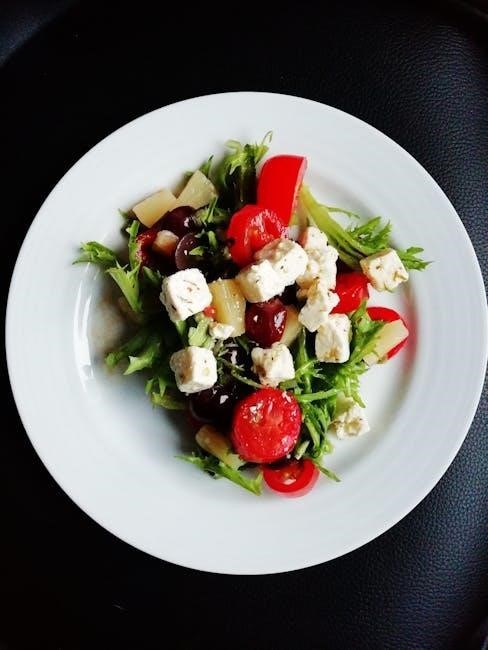
Low purine diet PDFs highlight a wide array of delicious and healthy options, including fruits, vegetables, and whole grains, supporting both health and enjoyment.
Low-Purine Fruits
Low purine diet PDFs consistently emphasize the generous inclusion of most fruits, making them a cornerstone of this dietary approach. Fruits are naturally low in purines and offer essential vitamins, minerals, and antioxidants, contributing to overall well-being while supporting uric acid management.
Excellent choices include cherries, which have been specifically linked to reducing gout flare-ups due to their anti-inflammatory properties. Berries – strawberries, blueberries, raspberries – are also fantastic options, packed with antioxidants and low in purines.
Other safe and beneficial fruits are apples, bananas, oranges, grapes, peaches, and melons. These provide hydration and essential nutrients without significantly impacting uric acid levels. Remember to consume fruits in moderation as part of a balanced diet, as they do contain fructose, a type of sugar.
Consulting a comprehensive low purine diet PDF will provide a detailed list and serving suggestions to ensure optimal dietary adherence and health benefits.
Low-Purine Vegetables
Low purine diet PDFs universally highlight vegetables as a vital component, offering a wealth of nutrients with minimal purine content. Incorporating a variety of vegetables is crucial for a balanced diet and effective uric acid management.
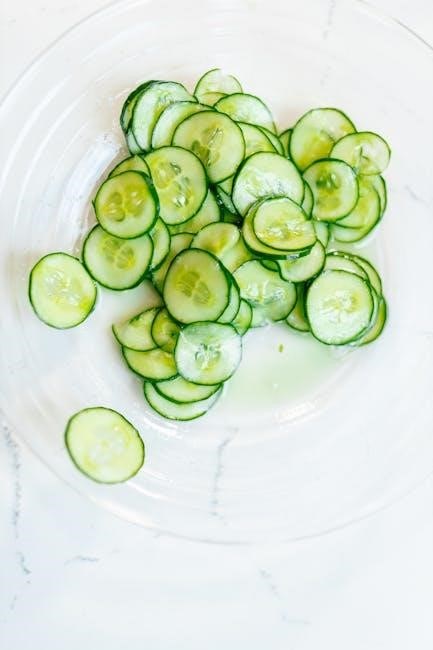
Generally safe choices include most vegetables, such as leafy greens (spinach, lettuce, kale – though moderate spinach intake is often advised), cabbage, carrots, cucumbers, bell peppers, and tomatoes. These provide essential vitamins, minerals, and fiber.
However, some vegetables are moderately purine-rich and should be consumed in limited quantities. These include asparagus, mushrooms, cauliflower, and peas. A detailed low purine diet PDF will specify appropriate serving sizes.
Prioritizing low-purine vegetables alongside adequate hydration supports kidney function and helps maintain healthy uric acid levels. Remember to focus on a colorful array of vegetables for optimal nutritional benefits;
Low-Purine Grains & Starches
Low purine diet PDFs consistently emphasize that grains and starches can form a substantial and healthy part of the diet, provided careful selections are made. These foods offer essential carbohydrates for energy and can be easily incorporated into meal plans.
Excellent low-purine choices include white rice, brown rice, oats, barley, and cornmeal. Bread, pasta, and other grain-based products are generally acceptable, but it’s important to check ingredient lists for hidden high-purine additions.
Potatoes and sweet potatoes are also considered low in purines and provide valuable nutrients. However, moderation is key with starchy vegetables, as with all carbohydrate sources.
A comprehensive low purine diet PDF will often provide specific serving size recommendations for grains and starches, ensuring they contribute positively to uric acid management without causing imbalances. Prioritize whole grains when possible for added fiber.
Hydration and the Low Purine Diet
Low purine diet PDFs highlight the critical role of adequate fluid intake for flushing uric acid.
Water aids kidney function, supporting the elimination of waste products and preventing crystal formation.
The Importance of Water Intake
Many low purine diet PDFs consistently emphasize that staying well-hydrated is paramount when following this dietary approach. Water plays a crucial role in dissolving uric acid crystals and facilitating their excretion through the kidneys. Aiming for at least eight glasses of water daily is generally recommended, but individual needs may vary based on activity level, climate, and overall health.
Adequate hydration helps prevent the concentration of uric acid in the joints, reducing the risk of gout attacks. It also supports optimal kidney function, enabling efficient waste removal. Dehydration, conversely, can exacerbate hyperuricemia and contribute to the formation of kidney stones.
Beyond plain water, herbal teas and diluted fruit juices can contribute to your daily fluid intake. However, sugary beverages should be limited, as they can counteract the benefits of the diet. Consulting a low purine diet PDF or a healthcare professional can provide personalized hydration recommendations.
Beverages to Choose and Avoid
Low purine diet PDFs typically categorize beverages into those that support the diet and those that hinder it. Water remains the gold standard – aim for at least eight glasses daily to aid uric acid excretion. Herbal teas, particularly those without high-purine ingredients like black tea, are excellent choices. Diluted fruit juices, in moderation, can also contribute to hydration.
However, several beverages should be limited or avoided entirely. Alcohol, especially beer, is notoriously high in purines and significantly elevates uric acid levels. Sugary drinks, including soda and fruit juice concentrates, can contribute to weight gain and worsen hyperuricemia. Coffee consumption should be moderate, as its effects are complex and can vary individually.
Carefully reviewing a comprehensive low purine diet PDF will provide a detailed list of beverage options and portion sizes, helping you make informed choices to support your dietary goals and overall well-being.
Sample Low Purine Meal Plan
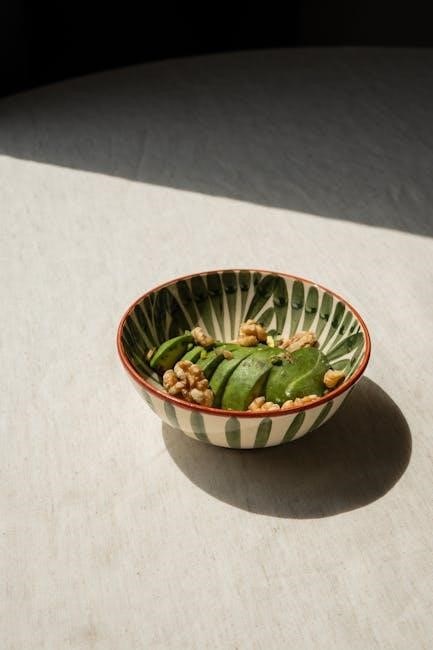
A low purine diet PDF often includes sample meal plans for guidance. These plans prioritize fruits, vegetables, and whole grains, offering practical, daily eating strategies.
Breakfast Ideas
Starting your day with a low-purine breakfast sets a positive tone for managing uric acid levels. Many low purine diet PDFs emphasize simple, nourishing options. Consider oatmeal prepared with water or low-fat milk, topped with berries – strawberries, blueberries, or raspberries are excellent choices.
Another great option is a fruit smoothie, blending low-purine fruits like bananas, apples, or peaches with a base of yogurt or plant-based milk. Avoid adding protein powders unless specifically approved by your healthcare provider, as some contain hidden purines.
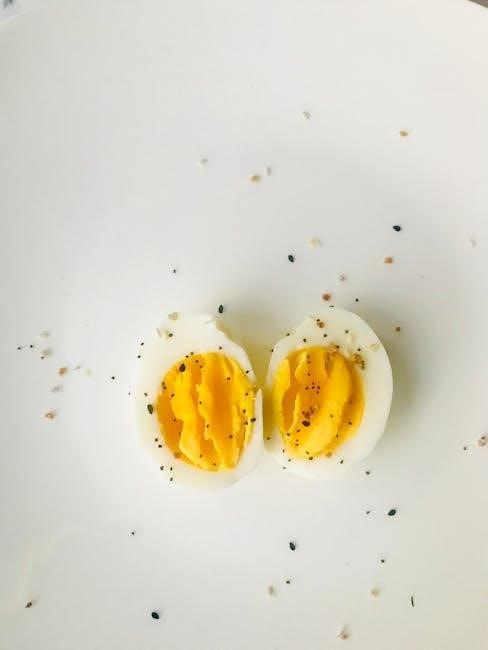
Eggs, in moderation, can be included, but limit your intake to a few times per week. Whole-wheat toast with a thin spread of jam or fruit preserves is a satisfying accompaniment. Remember to prioritize hydration with a glass of water or herbal tea alongside your breakfast. Refer to your low purine diet PDF for specific portion sizes and approved ingredients.
Lunch & Dinner Suggestions
Crafting low-purine lunches and dinners requires mindful ingredient selection, often detailed in comprehensive low purine diet PDFs. For lunch, a large salad featuring leafy greens, cucumber, and bell peppers, dressed with a vinaigrette, is a refreshing choice. Add a small portion of cooked quinoa or brown rice for sustained energy.
Dinner options could include baked chicken or fish (in moderation), served with steamed vegetables like broccoli, carrots, or green beans. Avoid gravy or rich sauces, opting instead for simple seasonings.
Vegetarian meals are easily adaptable; lentil soup (check purine levels in your PDF) or a vegetable stir-fry with tofu are excellent choices. Always consult your low purine diet PDF for approved protein sources and portion sizes. Prioritize hydration with water throughout the meal, and remember to limit high-purine accompaniments.
Resources for a Low Purine Diet PDF
Numerous online platforms offer downloadable low purine diet PDFs, providing detailed food lists and meal plans for effective uric acid management and dietary guidance.
Finding Reliable PDF Guides
Locating trustworthy low purine diet PDF resources requires careful consideration. Prioritize guides originating from reputable healthcare institutions, registered dietitians, or established medical websites; Look for PDFs that are regularly updated to reflect current dietary recommendations and research findings.
Beware of sources lacking clear author credentials or those promoting unsubstantiated claims. Government health organizations and university-affiliated medical centers often provide evidence-based PDFs. When evaluating a guide, check for a comprehensive food list categorized by purine levels – high, moderate, and low – and practical meal planning suggestions.
A reliable PDF should also address hydration’s importance and offer guidance on beverage choices. Scrutinize the publication date; information evolves, so newer guides are generally preferable. Cross-reference information with multiple sources to ensure accuracy and consistency. Remember, a well-structured PDF will empower you to make informed dietary decisions for effective uric acid management.
Utilizing Online Tools & Apps
Complementing low purine diet PDFs with digital tools can significantly enhance adherence and tracking. Numerous mobile applications and websites offer features like searchable food databases categorized by purine content, simplifying meal planning and grocery shopping.
These tools often include personalized meal suggestions based on dietary restrictions and preferences, alongside calorie and nutrient tracking capabilities. Some apps allow you to scan barcodes to instantly determine a food’s purine level, streamlining the process. Online forums and communities dedicated to gout and uric acid management provide valuable peer support and recipe ideas.
While PDFs offer static information, apps provide dynamic, interactive experiences. Remember to verify the information provided by these tools against reliable sources, such as those found in reputable low purine diet PDFs. Combining both resources – the detailed guidance of PDFs and the convenience of digital tools – fosters a comprehensive and sustainable approach to dietary management.