
pre spay instructions for dogs
Pre-Spay Instructions for Dogs: A Comprehensive Guide
Navigating your dog’s spay preparation involves understanding diverse linguistic perspectives on “dog” – from Spanish perro to Chinese interpretations – ensuring a smooth surgical experience.
Scheduling the Spay Appointment
Initiating the process begins with carefully scheduling your dog’s spay appointment, recognizing that veterinary availability can vary significantly. Consider factors like your veterinarian’s expertise, the clinic’s facilities, and the scheduling flexibility offered. It’s prudent to book well in advance, especially during peak seasons or if your veterinarian is highly sought after.
When contacting the clinic, be prepared to provide your dog’s breed, age, weight, and general health status. Discuss any pre-existing medical conditions or medications your dog is currently taking. The veterinary staff will likely inquire about your dog’s vaccination history and may request previous medical records.
Confirm the appointment date and time, along with any specific pre-operative instructions, such as fasting guidelines. Don’t hesitate to ask questions about the procedure, anesthesia, and post-operative care. Understanding these details will alleviate anxiety and ensure a smoother experience for both you and your furry companion.
Confirming Appointment Details
After initially scheduling, meticulously confirming all appointment details is paramount for a stress-free experience. Re-verify the date, time, and location of the spay procedure with the veterinary clinic. Double-check that the clinic has your correct contact information, including a reliable phone number where you can be reached on the day of surgery.
Specifically inquire about any pre-operative instructions, particularly regarding fasting – water and food restrictions are crucial. Clarify the check-in procedure and estimated duration of the surgery. Ask about any required paperwork or forms you need to complete beforehand.
Confirm the payment methods accepted and inquire about any estimated costs associated with the spay procedure and post-operative care. Don’t hesitate to ask any remaining questions you may have, ensuring you feel fully prepared and informed. A confirmed understanding minimizes potential misunderstandings and anxieties;
Understanding the Spay Procedure
Gaining a clear understanding of the spay procedure itself can alleviate anxieties for both you and your dog. Spaying, or ovariohysterectomy, involves surgically removing the ovaries and uterus, preventing future pregnancies. This is typically performed through a small abdominal incision. Your veterinarian will utilize sterile surgical techniques and administer anesthesia to ensure your dog experiences minimal discomfort during the process.
The procedure generally takes between 30 to 90 minutes, depending on the dog’s size and individual anatomy. Post-surgery, the incision site will be closed with sutures or staples.
Discuss with your vet the specific techniques they employ and what to expect during recovery. Knowing the process empowers you to provide optimal post-operative care and recognize any potential complications. Remember, a proactive understanding fosters a more positive experience.
Pre-Operative Fasting Guidelines
Strict adherence to fasting protocols – mirroring careful linguistic translations of “dog” across cultures – is vital for preventing complications during anesthesia and surgery.
Water Restriction
Maintaining strict water restriction before your dog’s spay is paramount for a safe procedure. Generally, water should be withheld for approximately 8-12 hours prior to surgery. This is crucial because a full stomach, even with water, increases the risk of vomiting under anesthesia. Vomiting poses a significant aspiration risk, where stomach contents enter the lungs, potentially leading to pneumonia or other serious respiratory complications.
The exact duration of water restriction may vary based on your veterinarian’s specific instructions and your dog’s individual health status. Some dogs, particularly those with underlying medical conditions, may require adjusted fasting protocols. It’s essential to clarify the precise timeframe with your vet during the pre-operative consultation. Remember, even a small amount of water can prolong the fasting period and increase surgical risks.
Food Restriction – Timing is Crucial
Strict adherence to food restriction guidelines is vital when preparing your dog for spay surgery. Typically, food should be withheld for a minimum of 8-12 hours before the procedure. This prevents the risk of vomiting during anesthesia, a potentially life-threatening complication due to aspiration pneumonia. A full stomach significantly increases this risk, as stomach contents can enter the lungs.
The precise fasting duration can differ based on your veterinarian’s recommendations and your dog’s individual needs. Smaller dogs often require shorter fasting periods than larger breeds. Always confirm the specific timeframe with your vet. Consistent fasting ensures a clear surgical field and minimizes complications. Even seemingly harmless treats should be avoided during the fasting period to maintain optimal conditions for anesthesia and surgery.
Why Fasting is Necessary
Fasting before your dog’s spay surgery isn’t merely a procedural requirement; it’s a critical safety measure directly linked to anesthetic protocols. During anesthesia, the normal gag reflex is suppressed, meaning your dog cannot effectively prevent stomach contents from entering the lungs if vomiting occurs. This aspiration can lead to severe pneumonia, a potentially fatal complication.
An empty stomach drastically reduces this risk. Furthermore, fasting minimizes the chance of nausea and vomiting post-operatively, contributing to a more comfortable recovery. The digestive system requires energy to process food, and diverting energy to digestion during the immediate post-surgical period can hinder healing. Ensuring an empty stomach allows the body to focus solely on recovery, promoting optimal healing and minimizing potential complications.
Medication Considerations
Disclose all medications and supplements to your veterinarian, as some can interfere with anesthesia or increase bleeding risks during the spay procedure.
Current Medications – Disclosure is Key
It is absolutely crucial to provide your veterinarian with a complete and accurate list of all medications your dog is currently taking, including prescription drugs, over-the-counter medications, herbal remedies, and even topical treatments. This information is vital for ensuring your dog’s safety during anesthesia and surgery. Certain medications, such as blood thinners or steroids, can significantly impact the surgical process and recovery.
Your vet needs to know the dosage and frequency of each medication. Don’t assume that a medication is unimportant; even seemingly harmless supplements can interact with anesthetic agents. Failure to disclose this information could lead to complications during the spay procedure. Be prepared to discuss any concerns you have about temporarily stopping or adjusting your dog’s medications before surgery, always following your veterinarian’s guidance.
Pain Management – Discuss with Your Vet
Proactive pain management is a cornerstone of responsible post-operative care. Before the spay procedure, openly discuss pain control strategies with your veterinarian. Understand what pain medication will be administered during and after surgery, and inquire about potential side effects. Don’t hesitate to ask about different pain relief options available, including opioids, NSAIDs, and other adjunctive therapies.
Your vet will tailor a pain management plan to your dog’s individual needs, considering their age, breed, and overall health. It’s essential to administer pain medication exactly as prescribed, and to report any signs of inadequate pain relief or adverse reactions promptly. Remember, effective pain control not only improves your dog’s comfort but also promotes faster healing and a smoother recovery process.
Supplements – What to Avoid
Certain supplements can interfere with the spay procedure and post-operative healing, necessitating careful review with your veterinarian. Specifically, avoid supplements with blood-thinning properties, such as fish oil, vitamin E, and garlic, for at least two weeks prior to surgery. These can increase the risk of bleeding during and after the operation, potentially complicating recovery.
Similarly, discontinue any herbal remedies or supplements with unknown effects, as their interactions with anesthesia and other medications are unpredictable. Always provide your vet with a complete list of all supplements your dog is receiving. Transparency is crucial for ensuring a safe and successful spay. Your veterinarian can advise you on which supplements to temporarily discontinue and when to resume them post-recovery.

Preparing Your Dog for Surgery
Considering global canine terminology – from French chien to Russian собака – prioritize a calm, clean, and rested dog for optimal surgical readiness.
Bathing – Cleanliness for Surgical Sites
Prior to your dog’s spay surgery, a bath is highly recommended, but timing is crucial. Ideally, bathe your dog at least 24-48 hours before the scheduled procedure. This allows the skin to completely dry, minimizing the risk of post-operative infection at the incision site. Avoid using heavily scented shampoos or conditioners, as these can sometimes cause irritation.
Focus on gently cleaning the area around the surgical site, removing any dirt or debris. Be thorough, but avoid excessive scrubbing that could irritate the skin. If your dog has long hair near the surgical area, your veterinarian may recommend clipping or shaving it to maintain cleanliness. Remember, a clean surgical site significantly reduces the chances of complications and promotes faster healing. Following bathing, ensure your dog is thoroughly dried to prevent chilling.
Exercise Restriction – Calm Before the Storm
In the days leading up to your dog’s spay surgery, it’s vital to significantly reduce their activity level. Intense exercise can increase blood flow and potentially complicate the procedure. Aim for short, leisurely walks only – avoid running, jumping, rough play, or strenuous activities. This restriction isn’t just physical; it’s about minimizing excitement and stress.
A calm dog is easier to handle and recovers more smoothly. Consider keeping your dog indoors as much as possible, especially the day before surgery. This helps prevent injuries and keeps them relaxed. Remember, even seemingly harmless play can strain muscles and increase the risk of post-operative discomfort. Prioritize rest and a peaceful environment to ensure your dog is in the best possible condition for surgery.
Mental Preparation – Reducing Anxiety
Preparing your dog mentally for their spay is just as important as the physical preparations. Dogs can sense stress, so maintaining a calm demeanor yourself is crucial. Continue with their regular routine as much as possible, providing familiar comfort items like favorite toys or blankets. Spend quality time offering gentle reassurance and affection, but avoid excessive fussing, which can inadvertently heighten anxiety.
Consider using calming aids like pheromone diffusers or sprays, especially if your dog is prone to nervousness. A quiet environment, free from loud noises or unfamiliar visitors, will also help; The goal is to minimize stress and create a sense of security. Remember, a relaxed dog will recover more quickly and comfortably after surgery. Positive reinforcement and a soothing atmosphere are key;
What to Bring to the Appointment
Ensure a smooth process by bringing medical records, a secure collar and leash, and optional comfort items for your dog’s spay appointment.
Medical Records – If Applicable
Bringing your dog’s complete medical history is incredibly beneficial, especially if they’ve received veterinary care elsewhere. This includes vaccination records, previous surgical reports, and any documentation of existing medical conditions or allergies.
Providing this information allows your veterinarian to have a comprehensive understanding of your dog’s health status, minimizing potential risks during the spay procedure. Even if your dog has been consistently seen at the current clinic, having records readily available streamlines the process.
If your dog has been on any medications, including preventative treatments like heartworm or flea/tick medication, please include this information. Knowing about any prior health concerns, even seemingly minor ones, can help the veterinary team prepare for any unforeseen complications.
Collar and Leash – For Safe Handling
Please ensure your dog arrives at the appointment wearing a well-fitting collar with secure identification tags. A leash is also essential for safe handling, both when entering and exiting the veterinary clinic, and for potential movement within the facility.
Even if your dog is generally well-behaved, the unfamiliar environment of a veterinary clinic can cause anxiety and unpredictable behavior. The collar and leash provide a secure way for the veterinary staff to manage your dog, ensuring their safety and the safety of others.

Retractable leashes are discouraged as they can pose a safety hazard during handling. A standard, fixed-length leash offers better control. If your dog tends to slip out of collars, consider bringing a harness as an additional safety measure.
Comfort Items – Optional, But Helpful
Bringing a familiar comfort item from home can significantly reduce your dog’s stress levels during their spay appointment and initial recovery period. This could be a favorite blanket, a well-loved toy, or even an article of clothing with your scent.
The scent and familiarity of these items can provide a sense of security in an unfamiliar and potentially frightening environment. However, please ensure any item brought is washable, as it may come into contact with clinic surfaces.
Avoid bringing items of high monetary or sentimental value, as the veterinary clinic cannot be responsible for loss or damage. Simple, easily replaceable items are best. While not essential, a comfort item can contribute to a calmer and more positive experience for your beloved companion;

Post-Operative Care Expectations
Post-surgery, prioritize a quiet recovery space, diligently monitor the wound for infection signs, and enforce gradual activity restriction for optimal healing.
Recovery Environment – A Quiet Space
Creating a calm and secluded recovery environment is paramount for your dog’s post-operative healing. Designate a quiet room or corner, away from high traffic areas, boisterous children, or other pets. This minimizes stress and allows your dog to rest undisturbed.
Prepare a comfortable bed with soft bedding – their favorite blanket can be incredibly reassuring. Ensure the space is temperature-controlled, avoiding extremes of hot or cold. Dim lighting can also contribute to a more relaxing atmosphere.
Limit access to stairs or furniture requiring jumping, as this could strain the incision site. Keep the recovery area clean and easily sanitized to prevent infection. Remember, a peaceful environment promotes faster healing and reduces the risk of complications.
Wound Care – Monitoring for Infection
Diligent wound monitoring is crucial during your dog’s recovery. Regularly inspect the incision site at least twice daily for any signs of infection. These include redness, swelling, discharge (especially if it’s pus-like or foul-smelling), or excessive bruising.
A small amount of clear or slightly pinkish discharge is generally normal in the first 24-48 hours. However, any increase in discharge or a change in color warrants a call to your veterinarian.
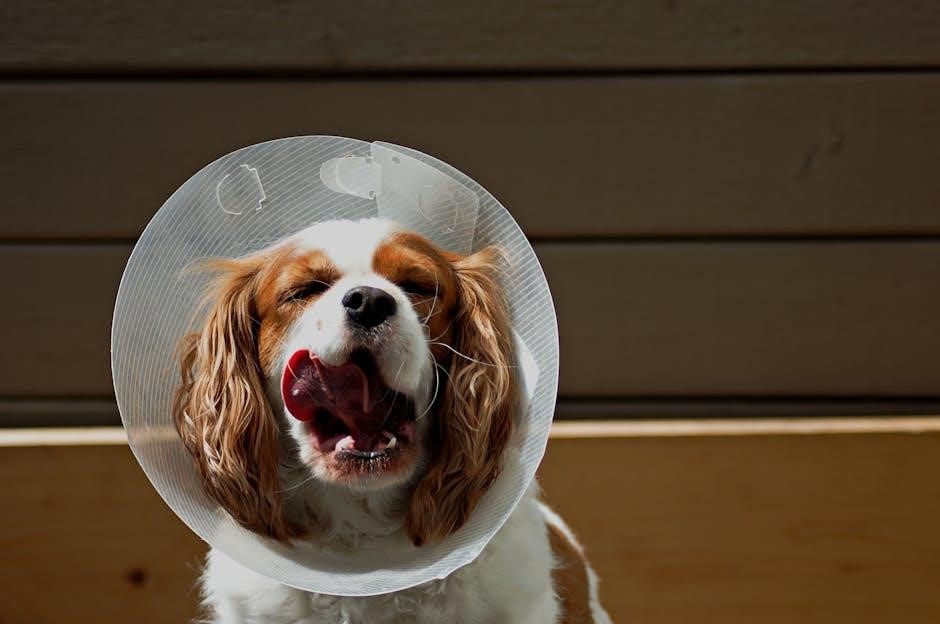
Prevent your dog from licking or chewing at the incision, as this introduces bacteria and can disrupt healing. An Elizabethan collar (cone of shame) is often necessary. Contact your vet immediately if you observe any concerning changes, ensuring prompt intervention and a smooth recovery.
Activity Restriction – Gradual Return to Normal

Following spay surgery, strict activity restriction is paramount for proper healing. For the first 10-14 days, confine your dog to a small, quiet space – indoors is best. Leash walks should be short and solely for bathroom breaks; absolutely no running, jumping, or rough play.
Gradually increase activity levels over the subsequent week, based on your veterinarian’s guidance. Begin with slightly longer, slower walks. Monitor your dog closely for any signs of pain or discomfort.
Avoid stairs and furniture jumping until fully healed. Full return to normal activity typically takes 10-14 days, but this varies. Patience is key to preventing complications and ensuring a successful recovery for your beloved companion.
Potential Complications & When to Contact Your Vet
Be vigilant for post-spay infection signs – redness, swelling, or discharge – and promptly contact your vet if lethargy or bleeding occurs.
Signs of Infection – Redness, Swelling, Discharge
Following your dog’s spay surgery, diligently monitor the incision site for any indications of infection. Initial redness is expected immediately post-op, but should diminish within 24-48 hours. Increasing redness, extending beyond the incision edges, is a concern. Similarly, mild swelling is normal, but significant or worsening swelling warrants a veterinary check.
Any discharge from the incision is a red flag. A small amount of clear or slightly pink fluid may be acceptable in the first day, but pus-like, yellow, or green discharge indicates infection. Note any foul odor emanating from the area. Other signs include pain upon touch, fever (rectal temperature over 103°F), and a general decline in your dog’s condition. Remember, early detection and treatment are crucial to prevent complications. Don’t hesitate to contact your veterinarian immediately if you observe any of these concerning symptoms.
Lethargy or Loss of Appetite – Concerning Symptoms
Post-spay, a temporary decrease in energy is common as your dog recovers from anesthesia and surgery. However, prolonged or severe lethargy – meaning your dog is unusually tired, unresponsive, or weak – should prompt a call to your veterinarian. A brief period of decreased appetite is also expected, but a complete refusal to eat for more than 24 hours is worrisome.
Consider the context; a slight disinterest in treats might be okay, but a complete lack of interest in even highly palatable foods is a concern. Coupled with lethargy, loss of appetite can indicate pain, infection, or an adverse reaction to medication. Remember that diverse interpretations of canine well-being exist, but these symptoms universally signal a potential problem. Prompt veterinary attention is vital to rule out complications and ensure a smooth recovery.
Bleeding – What’s Normal, What’s Not

A small amount of vaginal discharge, potentially with a tinge of blood, is normal for the first 24-48 hours post-spay. This is typically a dark red color and should gradually decrease in volume and change to a lighter pink or brownish hue. However, excessive bleeding – soaking a pad within an hour, bright red blood, or continuous heavy flow – is cause for immediate concern.
Similarly, any significant bleeding from the incision site requires urgent veterinary attention. While a few drops are acceptable initially, persistent oozing or active bleeding indicates a potential complication. Remember, even across languages – from “perro” to “dog” – the need for prompt action regarding excessive blood loss remains constant. Don’t hesitate to contact your vet; it’s always better to err on the side of caution.