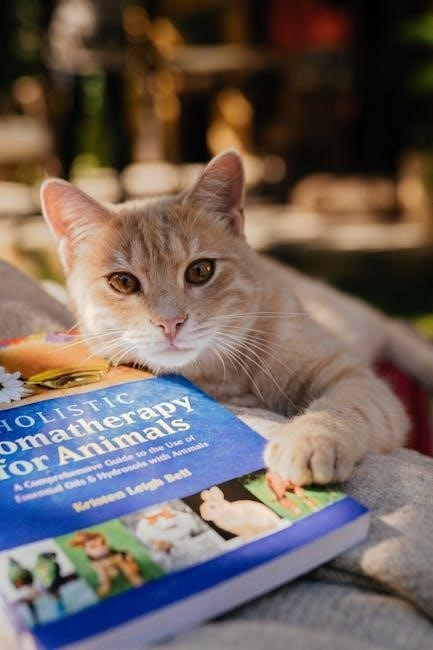
the holistic guide to wellness used book
Discover affordable wisdom! Exploring pre-owned holistic guides offers accessible pathways to well-being, blending ancient practices with modern self-care approaches for a healthier life.
The Growing Appeal of Holistic Wellness
A shift towards preventative healthcare fuels the rising interest in holistic wellness. Individuals are increasingly seeking methods that address the interconnectedness of mind, body, and spirit, moving beyond simply treating symptoms. This approach emphasizes personal responsibility and empowers individuals to actively participate in their health journey.
The demand for natural remedies, aromatherapy, and energy healing techniques is surging, reflecting a desire for gentler, more sustainable wellness solutions. Books offering guidance on herbal remedies, adaptogens, and immune-boosting practices are particularly popular. This growing awareness creates a vibrant market for resources, including pre-owned books offering time-tested wisdom at accessible prices, making holistic practices available to a wider audience.
Why Choose a Used Book for Holistic Guidance?
Affordability and accessibility are key benefits of opting for used holistic wellness books. These resources often come at a fraction of the cost of new editions, democratizing access to valuable knowledge. Furthermore, many classic texts retain their relevance despite their age, offering foundational principles that remain timeless.
Used books carry a unique energy, having potentially been studied and utilized by previous seekers. This adds a layer of history and connection to the practice. Choosing pre-owned also supports sustainable consumption, reducing the environmental impact associated with new book production. It’s a practical and mindful way to build a holistic library.

Key Authors and Titles in Holistic Wellness
Explore foundational texts! David Hoffmann’s “Holistic Herbal” stands out, alongside other notable authors, offering comprehensive guides to natural remedies and wellness practices.
David Hoffmann and “Holistic Herbal”
A cornerstone of herbal education, David Hoffmann’s “Holistic Herbal” is a widely respected and practical guide to understanding and utilizing herbal remedies. This book distinguishes itself through its emphasis on a whole-person approach, considering the interconnectedness of body, mind, and spirit when addressing health concerns.
Hoffmann’s work isn’t simply a catalog of plants and their uses; it delves into the energetic properties of herbs, their constitutional indications, and safe preparation methods. The book’s enduring popularity stems from its accessibility, making complex botanical information understandable for both beginners and experienced herbalists.
Used copies offer an affordable entry point to this wealth of knowledge, allowing individuals to explore the principles of holistic herbalism without a significant financial investment. It’s an invaluable resource for anyone seeking a natural and empowering path to wellness.
Other Notable Authors: A Brief Overview
Beyond Hoffmann, several authors contribute significantly to the holistic wellness literature. Rosemary Gladstar, a pioneer in herbalism, offers accessible guides to plant medicine and sustainable harvesting. Andrew Weil champions integrative medicine, blending conventional and alternative therapies for optimal health.
Exploring authors focused on energy healing, like Donna Eden, reveals techniques for balancing energy systems and promoting vitality. The “Natural Healing Handbook” provides a broad overview of holistic practices, encompassing herbal remedies and lifestyle adjustments.
Used books by these authors present a cost-effective way to diversify your knowledge base, offering varied perspectives on achieving holistic well-being. Each author brings a unique voice and approach to the field, enriching the journey towards self-healing.
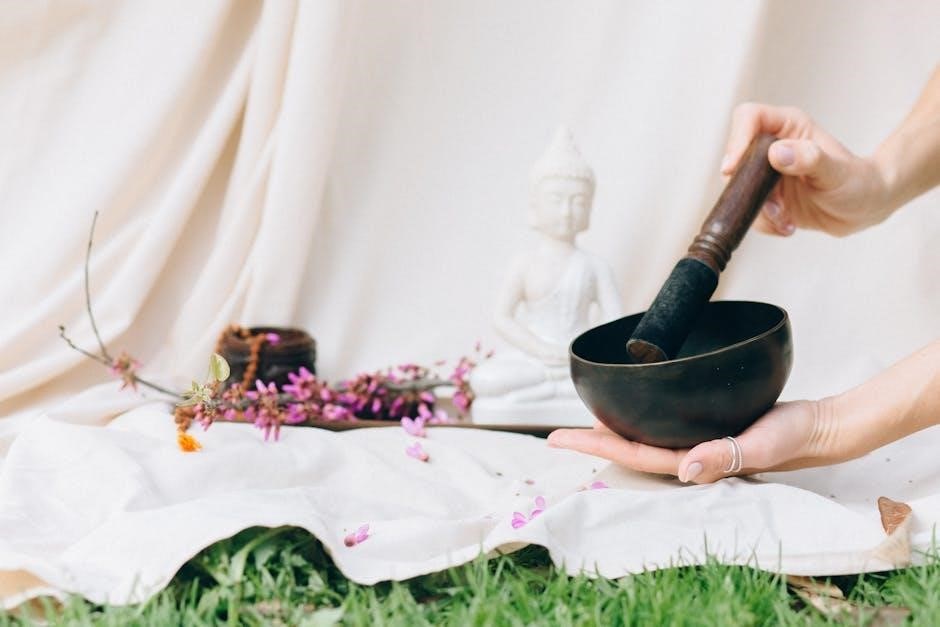
Understanding the Core Principles of Holistic Wellness
Embrace interconnectedness! Holistic wellness centers on the mind-body link, utilizing herbal remedies and energy healing for complete, balanced health and vitality.
The Mind-Body Connection
A foundational tenet of holistic wellness is recognizing the inseparable relationship between mental and physical health. This perspective moves beyond simply treating symptoms; it seeks to understand how emotional states, thought patterns, and even spiritual beliefs profoundly impact physiological functions.
Used holistic wellness books often delve into techniques for cultivating this connection, such as mindfulness practices, meditation, and stress-reduction strategies. They emphasize that unresolved emotional trauma or chronic stress can manifest as physical ailments, and conversely, physical illness can significantly affect mental well-being.
Exploring this interplay through the guidance found in these books empowers individuals to take a proactive role in their health, addressing the root causes of imbalance rather than merely suppressing outward expressions of disease. It’s about fostering a harmonious synergy between the mind, body, and spirit.
The Role of Herbal Remedies
Herbalism forms a cornerstone of many holistic wellness approaches, utilizing plants’ medicinal properties to support the body’s natural healing processes. Used books, like David Hoffmann’s “Holistic Herbal,” provide detailed monographs on various herbs, outlining their traditional uses, chemical constituents, and potential benefits.
These resources emphasize a whole-plant approach, recognizing that synergistic compounds within herbs work together for optimal effect. They also stress the importance of responsible sourcing, proper preparation, and individualized application based on specific needs.
Exploring these texts allows readers to learn about adaptogens, immune-boosting herbs, and digestive aids, empowering them to create personalized wellness routines. However, it’s crucial to remember that herbal remedies should be used with knowledge and, ideally, under the guidance of a qualified practitioner.
Beyond physical and herbal approaches, holistic wellness often incorporates energy healing modalities. Used books can introduce foundational concepts like the body’s energy systems – chakras, meridians, and the biofield – and techniques to balance them.
Information gleaned from older texts details practices such as acupressure, massage of energy gates (as described in some documents), and tapping techniques designed to release blockages and promote energy flow. These methods aim to address the energetic root causes of imbalances, fostering emotional, mental, and physical well-being.
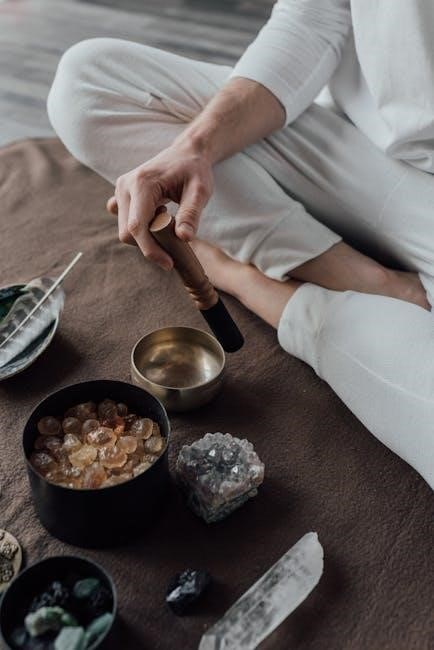
While often subtle, these techniques complement other holistic practices, offering a deeper level of healing. Remember to approach these methods with an open mind and respect for the body’s innate wisdom.

Evaluating a Used Holistic Wellness Book
Assess condition carefully! Check for missing pages, clarity of illustrations, and signs of wear, but also consider the enduring relevance of the core principles.
Condition Assessment: What to Look For
Thorough inspection is key when acquiring a used holistic wellness book. Begin by examining the spine for cracks or separation, indicating heavy use. Check the binding – is it secure, or are pages loose? Leaf through the book, noting any tears, stains, or highlighting that might obscure text or illustrations.
Pay close attention to the pages themselves; brittle or yellowed pages suggest age and potential fragility. Look for any evidence of mold or mildew, especially if the book has been stored in a damp environment; While some wear is expected in a used book, excessive damage can impact readability and the overall value.

Consider if notes or annotations left by a previous owner enhance or detract from your experience. A well-maintained copy will provide years of valuable guidance.
Checking for Updated Information (Despite Age)
Holistic wellness evolves; assess a used book’s relevance. While foundational principles remain constant, herbal safety and understanding of physiological processes advance. Verify if the book’s recommendations align with current scientific knowledge, particularly regarding dosages and potential interactions.
Consider the publication date – older books may contain outdated information. Cross-reference key herbal remedies or practices with reputable, contemporary sources. Look for disclaimers within the book acknowledging the evolving nature of the field.
A classic text can still offer valuable insights, but responsible application requires critical evaluation and supplementation with modern research. Prioritize safety and consult qualified practitioners.
Identifying First Editions and Collectible Copies
For enthusiasts and collectors, identifying first editions adds value. Check the copyright page for “First Edition” or a number line descending to ‘1’. Early printings of influential works, like David Hoffmann’s “Holistic Herbal,” are highly sought after.
Assess the book’s condition – pristine copies command higher prices. Look for intact dust jackets (if applicable), minimal wear, and no markings. Scarcity also plays a role; limited print runs or regional editions increase collectibility.
Online resources and book collecting guides can aid identification. While not essential for practical use, a collectible copy represents a piece of holistic wellness history.
Specific Areas Covered in Popular Books
Explore targeted wellness! Many guides delve into adaptogens, immune support, and digestive health, offering herbal remedies and practices for comprehensive well-being.

Adaptogens and Their Benefits
Unlocking Resilience: The Power of Adaptogens
Adaptogens, a cornerstone of holistic wellness, are gaining prominence within popular herbal guides. These remarkable herbs help the body resist stressors – physical, chemical, or biological – promoting balance and overall resilience. Books frequently dedicate sections to explaining how adaptogens work, focusing on their ability to modulate the stress response and support adrenal function.
Commonly featured adaptogens include Ashwagandha, Rhodiola, and Eleuthero (Siberian Ginseng). Guides detail their specific benefits, such as enhancing energy levels, improving cognitive function, and bolstering the immune system. Readers learn how to safely incorporate these powerful herbs into their routines, understanding appropriate dosages and potential interactions. Used books offer a cost-effective way to access this valuable knowledge, empowering individuals to proactively manage stress and enhance their vitality.
Immune Boosting Herbs and Practices
Strengthening Your Defenses: A Holistic Approach
Holistic wellness books consistently emphasize proactive immune support, moving beyond simply treating illness to building long-term resilience. Used guides often feature detailed profiles of herbs renowned for their immune-enhancing properties, such as Echinacea, Elderberry, and Astragalus. These sections explain how these botanicals stimulate immune cell activity and provide antiviral benefits.
Beyond herbs, books explore lifestyle practices crucial for immune health – adequate sleep, stress management, and a nutrient-rich diet. They often integrate traditional wisdom with modern scientific understanding. Accessing this information through affordable used books allows individuals to implement preventative strategies, bolstering their natural defenses and promoting overall well-being, especially valuable in today’s world.
Digestive Health and Herbal Aids
Nurturing the Gut: A Foundation of Wellness
Holistic guides frequently highlight the central role of digestive health in overall well-being, recognizing the gut as the core of nutrient absorption and immune function. Used books often dedicate significant sections to herbal remedies supporting digestion, like Ginger for nausea, Peppermint for bloating, and Chamomile for calming inflammation.
These resources detail how to use these herbs safely and effectively, often including recipes for teas, tinctures, and other preparations. Beyond herbal aids, they emphasize dietary adjustments, mindful eating practices, and stress reduction techniques to optimize gut health. Affordable access to this knowledge empowers individuals to address digestive issues naturally and cultivate a thriving microbiome.
Where to Find Used Holistic Wellness Books
Unearth hidden treasures! Explore online marketplaces like eBay and Abebooks, alongside local bookstores and estate sales, for affordable holistic wellness guides.
Online Marketplaces (eBay, Amazon, Abebooks)
Navigating the Digital Landscape: Online marketplaces present a vast and convenient arena for sourcing used holistic wellness books. Platforms like eBay frequently host auctions and fixed-price listings, offering potential bargains for savvy buyers. Amazon’s used book section provides a wide selection, often with detailed condition descriptions and seller ratings for increased confidence.
Abebooks, specializing in rare and out-of-print books, is a particularly valuable resource for locating older editions of classic holistic texts. Carefully review seller feedback and shipping costs before committing to a purchase. Utilize keyword searches – “holistic herbal,” “natural healing,” or specific author names – to refine your results; Remember to compare prices across platforms to secure the best possible deal on your desired wellness guide.
Local Bookstores and Used Book Shops
The Charm of Physical Discovery: Don’t underestimate the value of browsing local bookstores and used book shops! These establishments offer a tactile experience, allowing you to physically assess a book’s condition before purchasing. Often, you’ll stumble upon hidden gems not listed online, and the knowledgeable staff can provide valuable recommendations.
Independent bookstores frequently curate sections dedicated to health and wellness, potentially including used holistic guides. Used book shops, in particular, are treasure troves for affordable titles. Building relationships with local booksellers can alert you to new arrivals matching your interests. The joy of discovering a well-loved holistic wellness book in person is a unique and rewarding experience.
Estate Sales and Library Sales
Unearthing Hidden Treasures: Estate sales and library book sales represent fantastic opportunities to find deeply discounted holistic wellness books. Estate sales, often resulting from downsizing or relocation, can yield collections reflecting a lifetime of reading, potentially including rare or first editions. Library sales, as libraries update their collections, offer previously loved books at incredibly low prices.
Be prepared to sift through a variety of titles, but the potential rewards are significant. These venues often lack specific categorization, demanding patience and a keen eye. You might discover older editions offering unique perspectives on holistic practices. Remember to inspect the book’s condition carefully before purchasing, as wear and tear are common.

Beyond the Book: Supplementing Your Knowledge
Expand your learning! Complement used book wisdom with online communities, workshops, and courses to deepen your holistic wellness journey and practical skills.
Online Resources and Communities
Dive deeper into holistic wellness online! Numerous websites and forums offer a wealth of information beyond the pages of your used book. Explore platforms dedicated to herbalism, aromatherapy, and energy healing to connect with like-minded individuals and experienced practitioners.
These online communities provide spaces for asking questions, sharing experiences, and learning about new techniques. Look for reputable sources offering evidence-based information and avoiding unsubstantiated claims. Many herbalists and wellness experts maintain blogs and social media profiles, sharing valuable insights and resources.
Participating in online discussions can foster a sense of support and motivation on your wellness journey. Remember to critically evaluate information and consult with qualified healthcare professionals before making any significant changes to your health regimen.
Workshops and Courses
Enhance your learning with hands-on experience! Complement your reading with immersive workshops and courses focused on specific holistic modalities. These opportunities allow for direct instruction from qualified teachers and practical application of the knowledge gained from your used books.
Consider workshops covering herbal medicine preparation, aromatherapy blending, or introductory energy healing techniques. Many community colleges, wellness centers, and herbal schools offer courses catering to various skill levels. Look for programs that emphasize safety, ethical practices, and a holistic approach to well-being.
Interactive learning environments foster deeper understanding and allow you to refine your skills under expert guidance, building confidence in your holistic wellness journey.